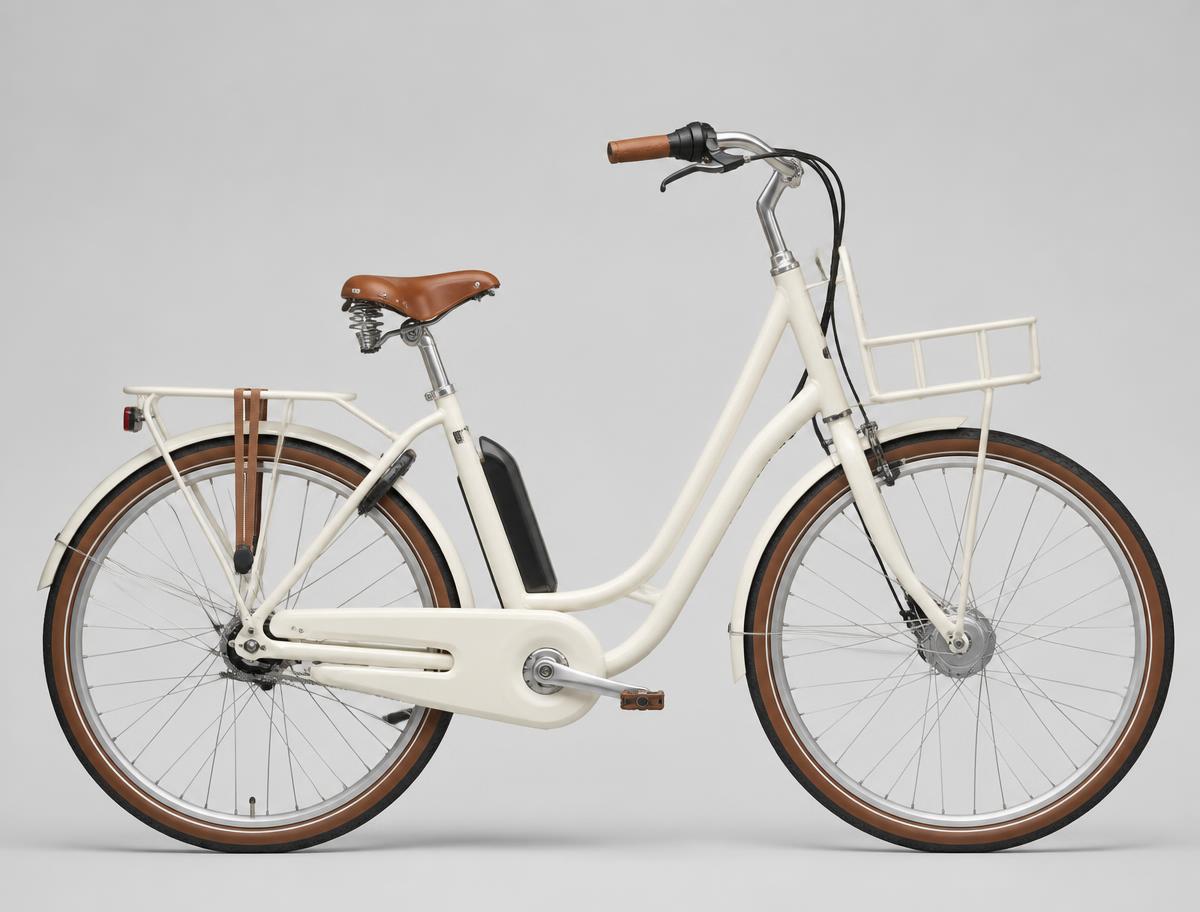
Lekker
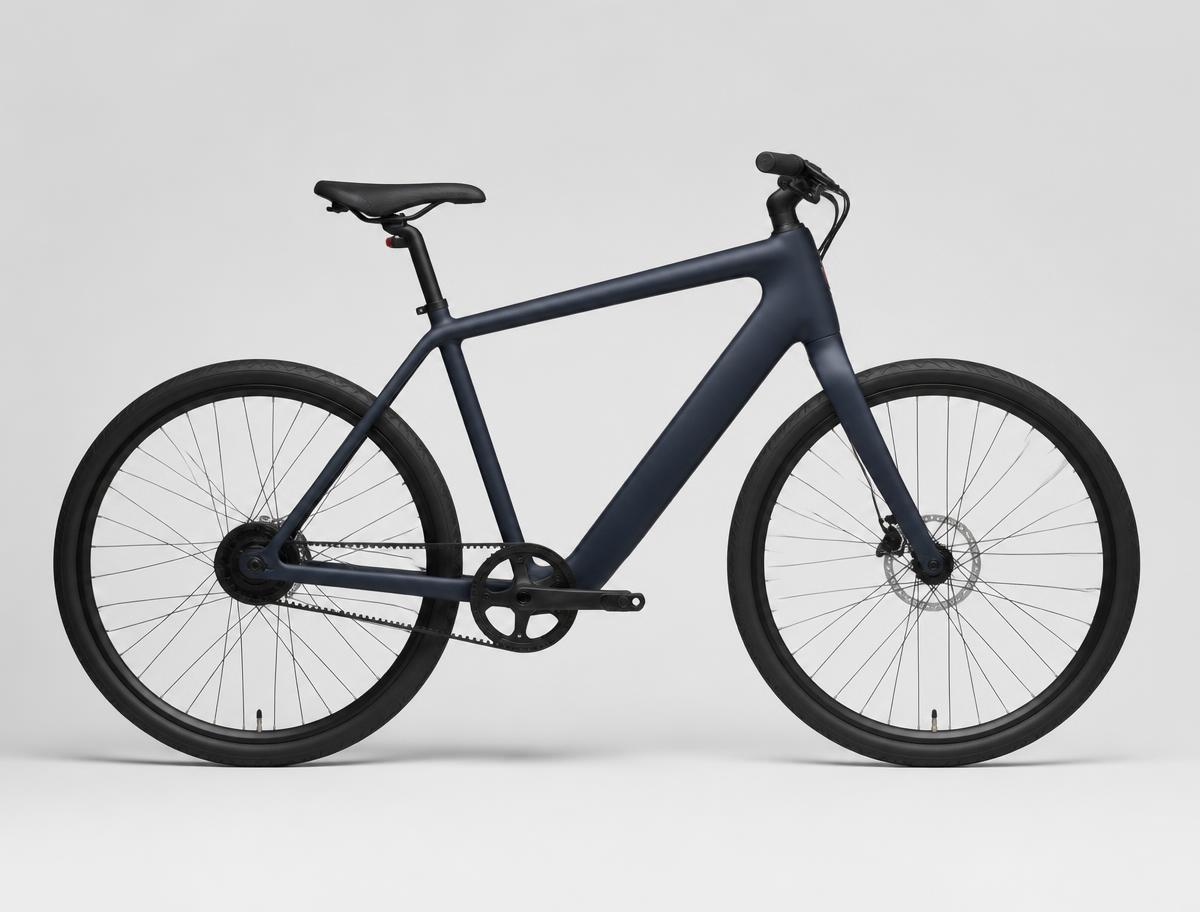
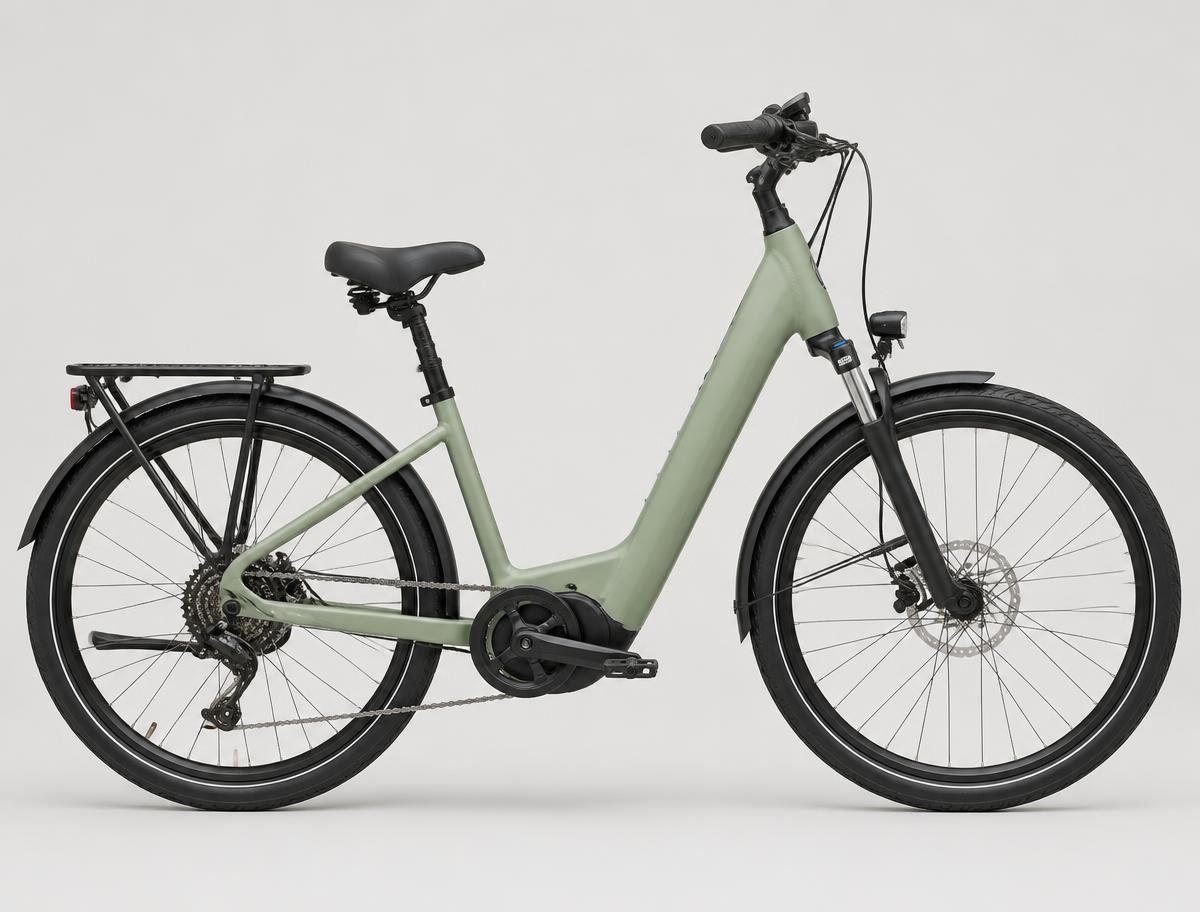
Lekker Amsterdam Step Step-Through e-Bike
4.7(168 reviews)
$1,899$2,499
or 4 fortnightly payments of $474.75
In stock (dispatch in 24h)
Fast Insured Australia-Wide Delivery | Official AU Manufacturer Warranty | Sydney & Melbourne Warehouses
The premium collection
Commuter, cargo, mountain and step-through
Electric bikes are the only vehicle category in Australia where the rules genuinely shape the product. In every state and territory, a pedal-assist bike with a motor rated at 250 watts continuous that cuts assistance at 25 kilometres per hour is legal to ride on roads and paths without a licence, registration or compulsory third-party insurance. Anything more powerful is legally a motor vehicle and cannot be ridden on public roads or shared paths, whatever the seller claims. Every e-bike we stock ships in a compliant 250 watt configuration, and where a model has an off-road mode we say so plainly and note that it is for private property only.
Beyond compliance, the choice comes down to what trip you are replacing. A commuter e-bike with integrated lights, guards and a rack replaces a car trip to the station or the office, and a mid-drive motor with a torque sensor makes a hill start with panniers feel natural rather than jerky. A cargo bike replaces the second car for school runs and shopping, carrying two children and 90 kilograms of load on a footprint shorter than most road bikes. A full-suspension electric mountain bike opens up fire trails and single track. Range claims are always measured in ideal conditions — expect 60 to 70 per cent of the claimed figure with hills, headwinds and a rider over 85 kilograms, and use our e-bike range estimator for a realistic number. Every bike arrives 90 to 95 per cent assembled, insured in transit, with an Australian warranty and local servicing.
20 pieces available
Lekker
4.7(168 reviews)
$1,899$2,499
or 4 fortnightly payments of $474.75
In stock (dispatch in 24h)
Reid
4.7(119 reviews)
$1,849$2,399
or 4 fortnightly payments of $462.25
In stock (dispatch in 24h)
Velectrix
4.7(42 reviews)
$2,299$2,899
or 4 fortnightly payments of $574.75
Selling fast — only 3 left at this price
Ampd Bros
4.6(94 reviews)
$2,199$2,899
or 4 fortnightly payments of $549.75
In stock (dispatch in 24h)
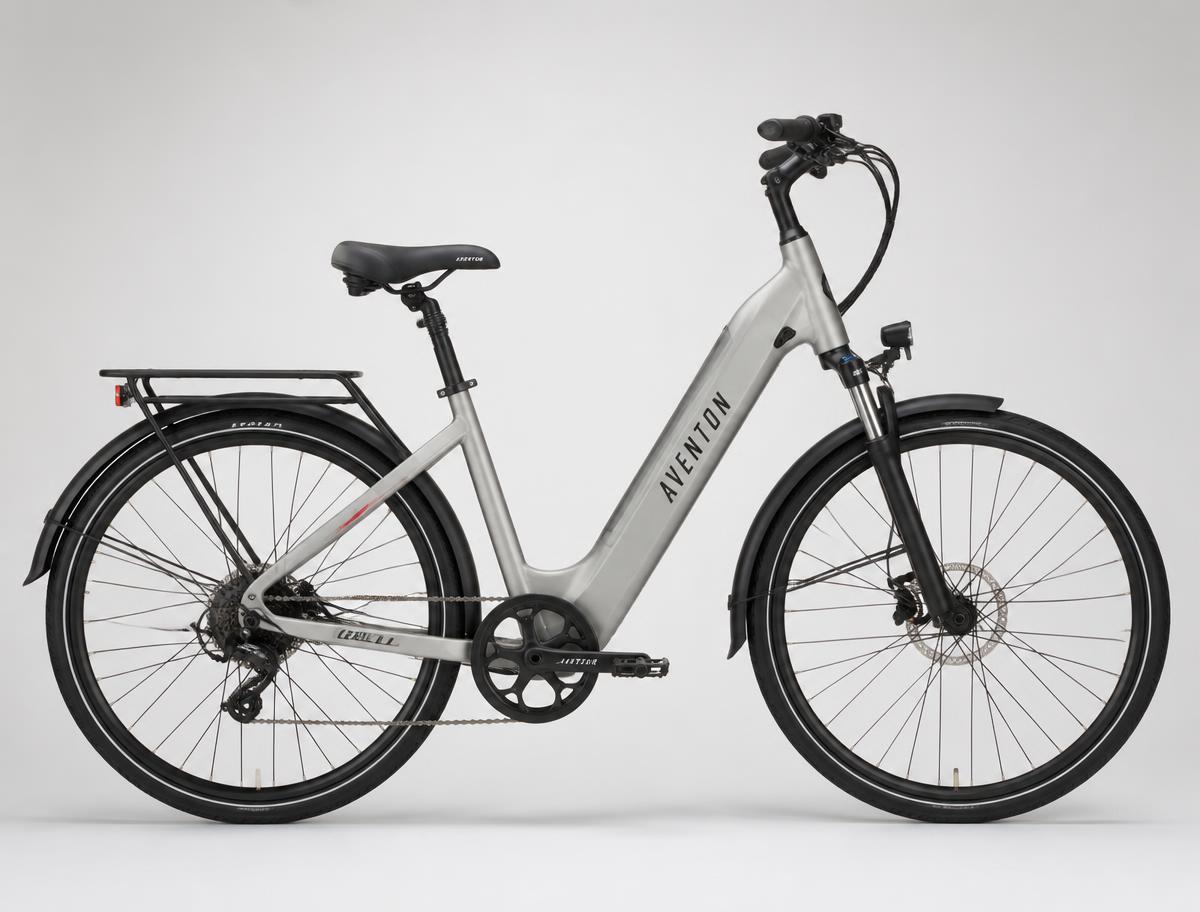
Aventon
4.6(145 reviews)
$1,649$2,099
or 4 fortnightly payments of $412.25
In stock (dispatch in 24h)
Leon Cycle
4.6(61 reviews)
$1,999$2,599
or 4 fortnightly payments of $499.75
In stock (dispatch in 24h)
Pedego
4.6(71 reviews)
$1,949$2,499
or 4 fortnightly payments of $487.25
In stock (dispatch in 24h)
Reid
4.5(212 reviews)
$1,299$1,699
or 4 fortnightly payments of $324.75
In stock (dispatch in 24h)
Pedego
4.5(133 reviews)
$1,199$1,599
or 4 fortnightly payments of $299.75
In stock (dispatch in 24h)
NCM
4.5(88 reviews)
$1,599$2,099
or 4 fortnightly payments of $399.75
In stock (dispatch in 24h)
Aventon
4.5(96 reviews)
$1,549$1,999
or 4 fortnightly payments of $387.25
In stock (dispatch in 24h)
NCM
4.5(102 reviews)
$1,349$1,799
or 4 fortnightly payments of $337.25
In stock (dispatch in 24h)
Velectrix
4.4(57 reviews)
$2,299$2,999
or 4 fortnightly payments of $574.75
Selling fast — only 3 left at this price
Fiido
4.4(38 reviews)
$2,149$2,699
or 4 fortnightly payments of $537.25
In stock (dispatch in 24h)
Velectrix
4.4(27 reviews)
$1,449$1,899
or 4 fortnightly payments of $362.25
In stock (dispatch in 24h)
Fiido
4.3(76 reviews)
$1,499$1,999
or 4 fortnightly payments of $374.75
In stock (dispatch in 24h)
Leon Cycle
4.3(154 reviews)
$1,249$1,649
or 4 fortnightly payments of $312.25
In stock (dispatch in 24h)
Progear
4.2(204 reviews)
$999$1,399
or 4 fortnightly payments of $249.75
In stock (dispatch in 24h)
Ampd Bros
4.1(33 reviews)
$899$1,249
or 4 fortnightly payments of $224.75
In stock (dispatch in 24h)
Progear
4.2(49 reviews)
$1,699$2,199
or 4 fortnightly payments of $424.75
Out of stock — see alternatives
The ValueVault standard
| What matters | ValueVault Australia | Standard retail |
|---|---|---|
| Stock | Genuine Australian stock | Varies by seller |
| Warranty | Official local cover plus ACL rights | Manufacturer terms apply |
| Pricing | Direct discount pricing | Standard ticket price |
| Delivery | Insured Australia-wide | Insurance may cost extra |
Yes. Every bike is supplied as a 250 watt pedal-assist e-bike that cuts assistance at 25 km/h, which is road and path legal in every Australian state and territory without a licence or registration. An approved helmet is mandatory nationwide.
Plan on 60 to 70 per cent of the claimed range with hills, wind and a rider over 85 kg. Our e-bike range estimator accounts for terrain, rider weight and assist level to give a realistic figure.
Between 90 and 95 per cent. Typically you fit the front wheel, handlebars and pedals, then check brakes and gears. We include the tools, and we can arrange a professional assembly and safety check in most metropolitan areas.
Lithium e-bike batteries cannot be carried on commercial flights. Store and charge them indoors on a hard surface away from exits, never overnight while asleep, and use only the supplied charger — this is the advice of Australian fire services.
All brands we stock have Australian service networks. Bosch-equipped bikes can be diagnosed at any Bosch eBike dealer, and we can arrange warranty service collection anywhere in Australia.
A pedal-assist e-bike with a 250 watt continuous-rated motor that stops assisting at 25 km/h is treated as a bicycle everywhere in Australia. You need no licence, no registration and no CTP insurance, and you may ride wherever bicycles are permitted. Throttle-only bikes are limited to 200 watts. Anything above these limits is legally a motor vehicle: it cannot be registered as a bicycle, is not covered by your home insurance in an incident, and riding it on a road or path is an offence.
Mid-drive motors sit at the pedals, use the bike's gears and feel like strong legs; they climb better and balance better. Hub motors are cheaper and quieter but push rather than assist. Torque sensors respond to how hard you pedal and feel natural; cadence sensors simply switch on, which is fine on flat commutes.
Battery capacity in watt-hours is the number to compare. A rough planning figure for a mid-drive commuter is 12 to 18 watt-hours per kilometre depending on hills, wind, rider weight and assist level — so a 500Wh battery realistically covers 30 to 40 kilometres of hilly Australian riding on medium assist.
Fires almost always involve damaged batteries, non-genuine chargers or charging in an escape path. Use the charger supplied, charge on a hard non-combustible surface while you are awake and home, stop using a battery that has been dropped or swollen, and store between 30 and 60 per cent charge if the bike is idle for months. Never leave a battery in a car in an Australian summer.