Updated 2026-08-04 · 7 min read
Robot Vacuum Buying Guide for Australia
Key takeaways
- • The dock matters more than the suction figure — auto-empty and hot mop washing keep it in use.
- • Anti-tangle brush design decides whether long hair becomes a weekly chore.
- • Older Australian homes need a robot that climbs above 22 mm thresholds.
- • Roller mops suit tile and polished concrete; spinning pads suit mixed floors.
- • Budget about A$120 a year in consumables.
The dock is the product
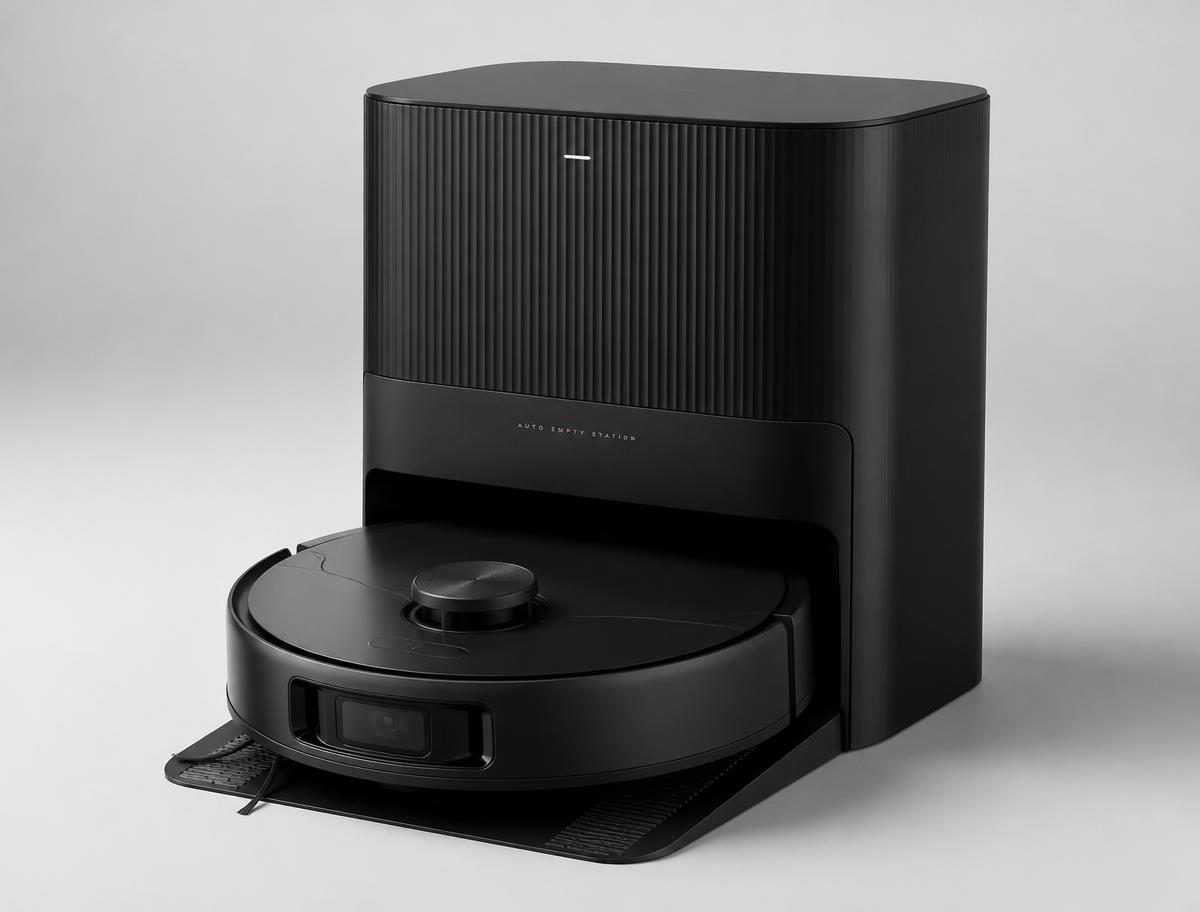
Robot vacuums fail in Australian homes for boring reasons: the bin fills up, the mop pads smell, the brush tangles. A dock that empties into a sealed bag, washes the pads in hot water and dries them removes almost all of that. Everything else is refinement.
Suction, brushes and obstacle avoidance
Above roughly 8,000 pascals, extra suction makes little practical difference on hard floors. Brush geometry and edge reach matter more: an extending side brush or a full-width brush bar cleans against skirting boards where dust actually collects.
Camera-assisted obstacle avoidance is worth paying for if you have cables, toys or a dog. It is the difference between coming home to clean floors and coming home to a problem.
Mopping systems
Spinning pads scrub well but recirculate water unless the dock washes them mid-run. Roller mops rinse continuously and scrape the excess away, leaving floors drier and lifting more grime — the best choice for tile and polished concrete. Steam docks sanitise the pads at high temperature, which appeals in homes with toddlers or pets.
Thresholds, rugs and Australian houses
Most robots clear 20 to 22 millimetres. Federation and mid-century homes often have timber trims taller than that, which strands the robot at the bathroom door. Lifting-chassis models climb up to 40 millimetres. Confirm your tallest threshold with a tape measure before ordering, and check the robot's height against your lowest sofa if you want it to clean underneath.
Flagship robot vacuums compared
| Roborock S9 MaxV Ultra | Roborock Qrevo Curv | Ecovacs X8 Pro Omni | Dyson 360 Vis Nav | |
|---|---|---|---|---|
| Mop system | Spinning pads, hot wash | Spinning pads, hot wash | Rinsed roller | None |
| Threshold climbing | 22 mm | 40 mm | 22 mm | 21 mm |
| Auto-empty dock | Yes | Yes | Yes | No |
| Best floors | Mixed hard floor and rugs | Split-level homes | Tile, concrete | Carpet |
| Price at ValueVault | A$2,499 | A$1,799 | A$1,999 | A$1,499 |
Questions Australians ask
Can one robot handle carpet and tile?
Yes, if it lifts or detaches the mop on carpet. Every hybrid we stock detects carpet automatically, and you can mark rug zones as mop-free in the app.
How much do consumables cost each year?
Roughly A$120: dust bags every six to eight weeks, a filter every three to six months, mop pads twice a year, brush roll annually.
Do I still need a stick vacuum?
Most households keep one for stairs, upholstery and car interiors. The robot handles floors day to day; the stick handles everything the robot cannot reach.